Research
-
From Model to Product: Foundations for Practical AI Engineering
Everyone is building with AI today. Very few are building systems that actually work in production. This article explores the real gap between models and products, and why thinking like an AI engineer matters more than ever.
Written by

-
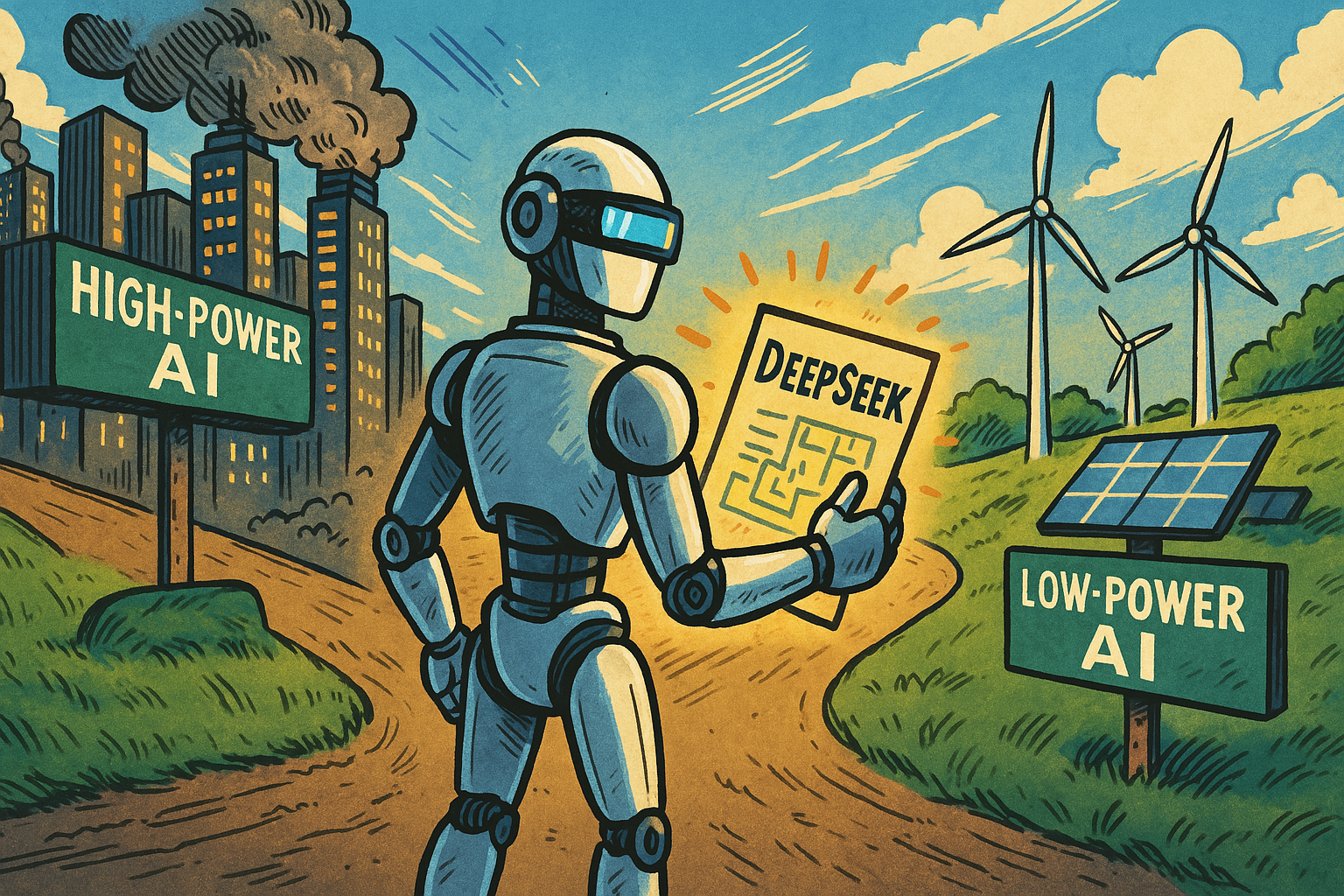
DeepSeek: The Quiet Math Tweak That Might Redefine the AI Future
It didn’t arrive with fireworks or fanfare. DeepSeek slipped into the scene with a simple mathematical change—and suddenly, it was the name on everyone’s lips. But what’s really behind the hype? Let’s unpack how a humble paper sparked global buzz, and what it means for the future of AI, geopolitics, and the race for smarter,…
Written by

-
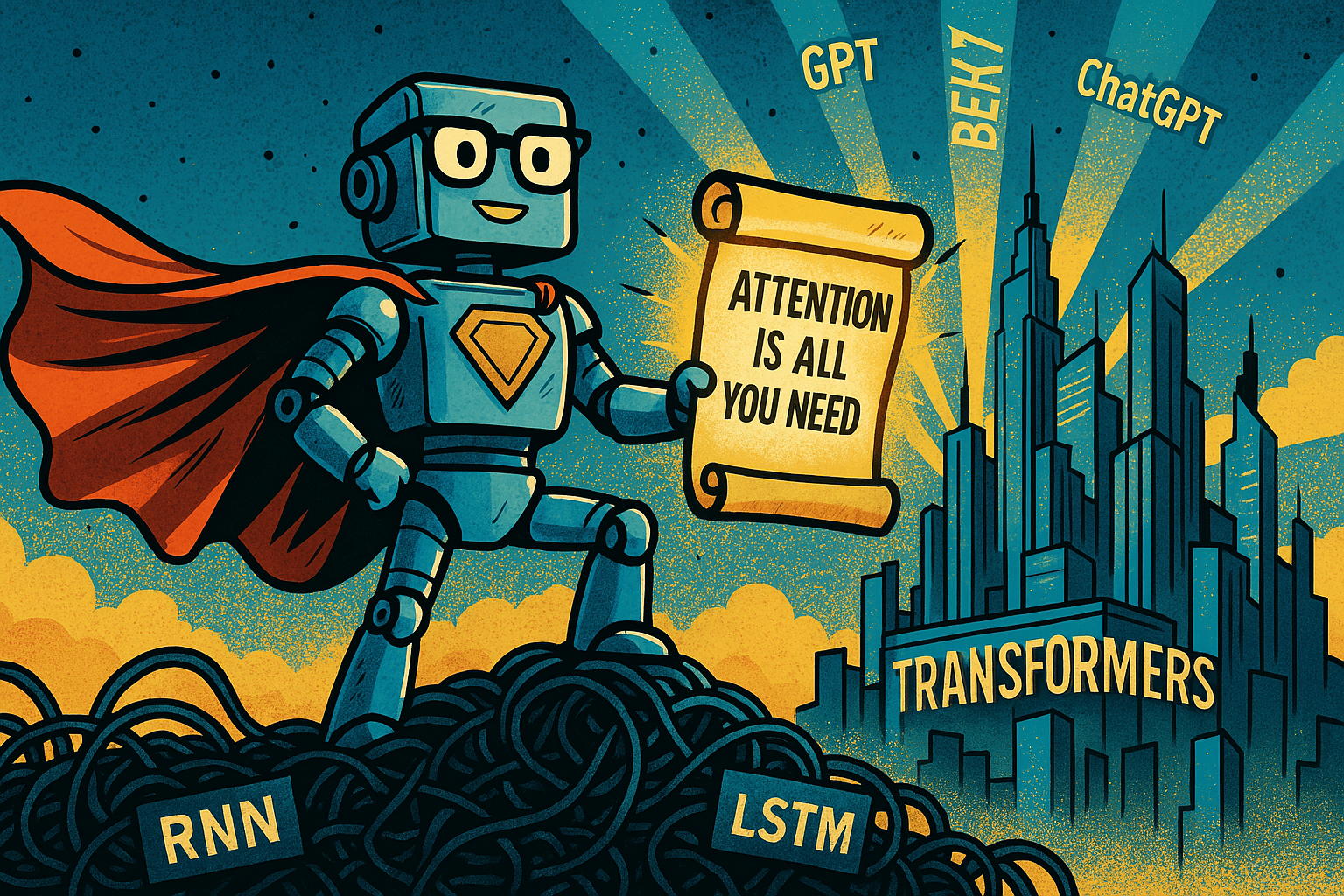
Attention is All You Need – The Paper That Changed AI Forever
Before 2017, AI models were powerful but painfully slow and complicated. Then came a research paper titled “Attention is All You Need”—a game-changer that flipped everything we knew about AI on its head. Here’s how it reshaped the future in the simplest way possible.
Written by
-
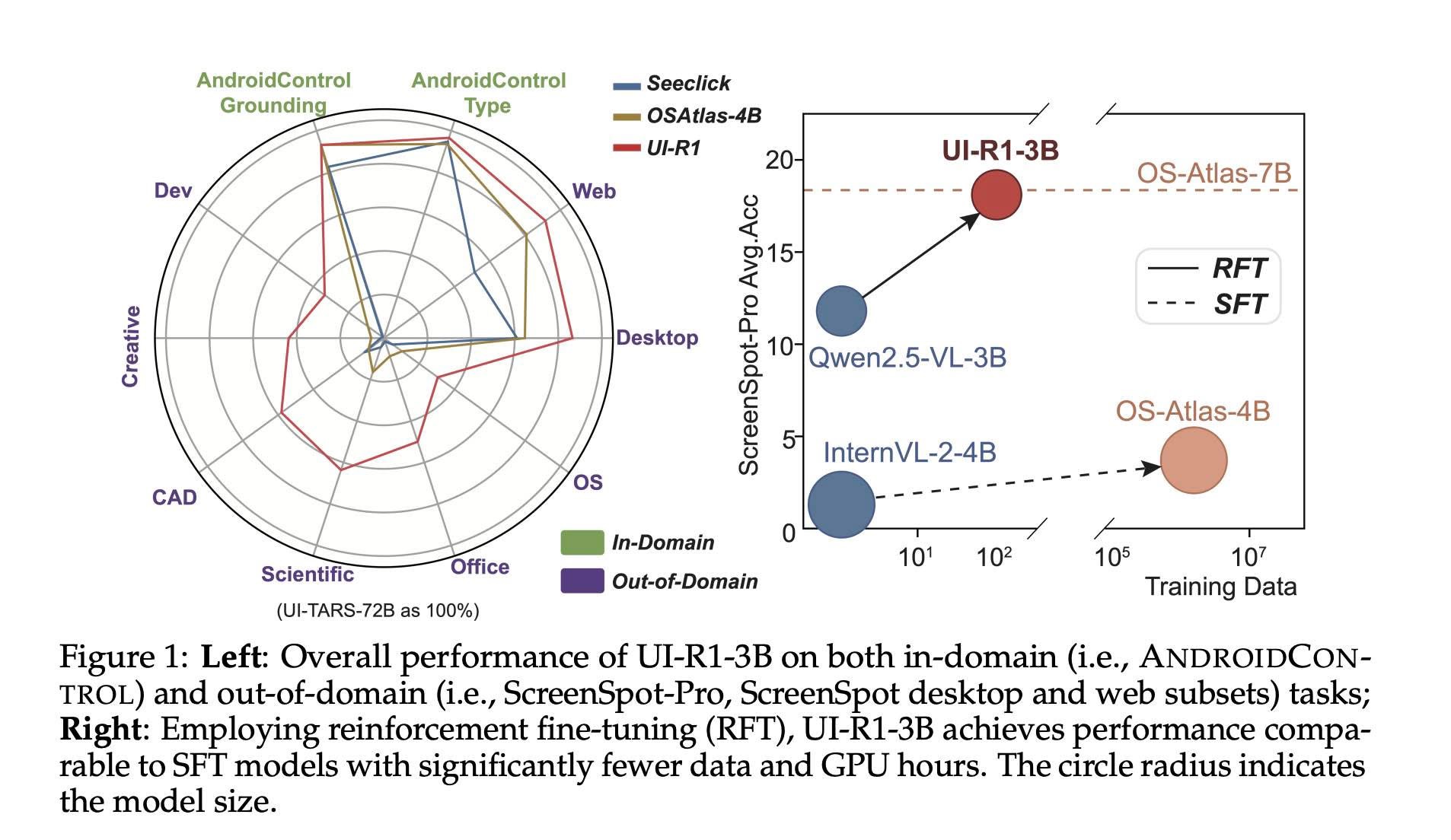
UI-R1: Teaching AI to Navigate Your Screen Like a Pro
What if your phone could predict your next tap or swipe? UI-R1, a new AI model trained with reinforcement learning, is bringing us closer to smarter, more intuitive virtual assistants. By learning from visuals and language—not just massive datasets—UI-R1 shows how AI can interact with real-world mobile apps more accurately and efficiently.
Written by

-
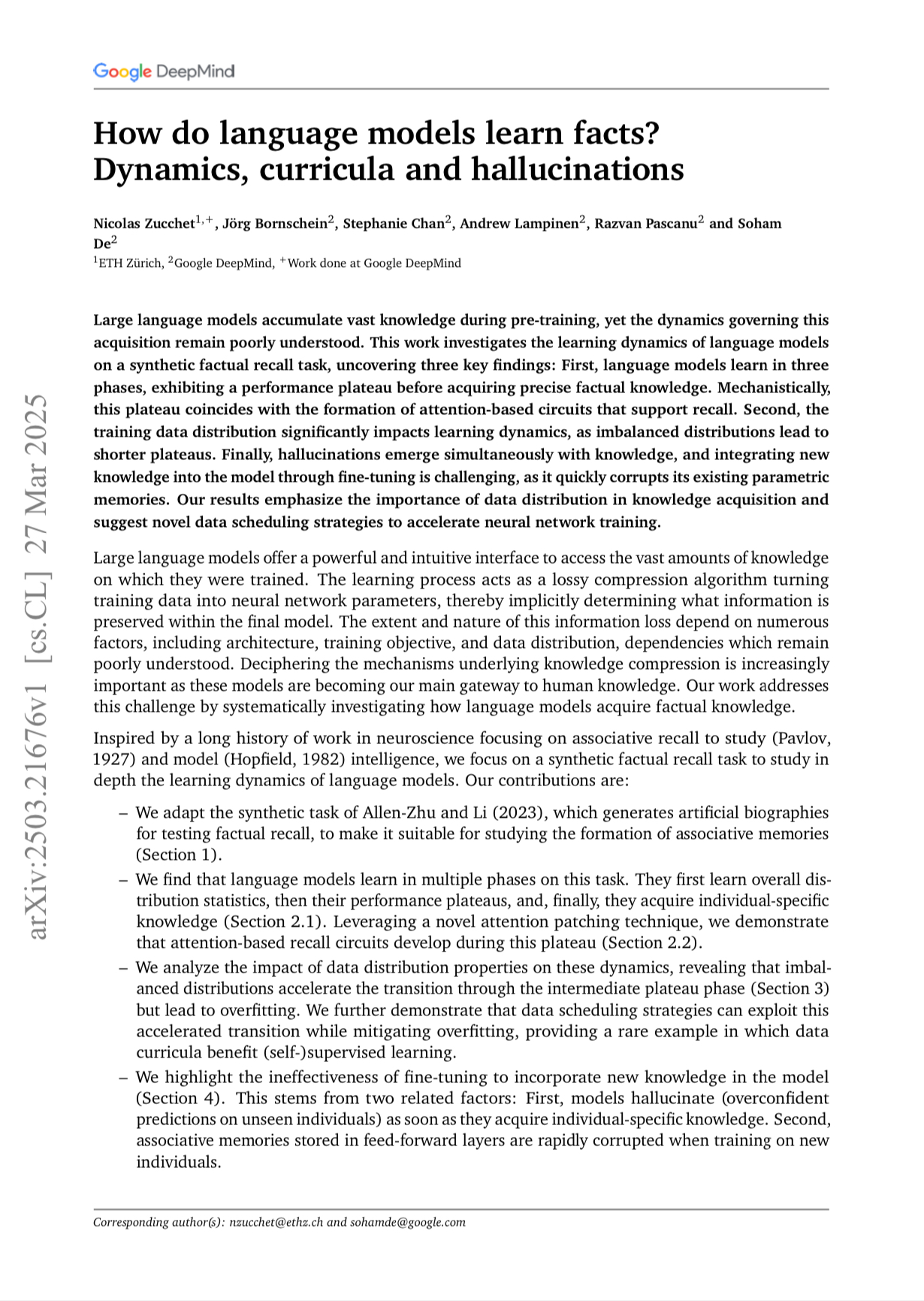
How Do Language Models Learn Facts? Inside the Mysterious Memory of AI
How do large language models actually learn facts? A new study by Google DeepMind and ETH Zürich uncovers a surprising three-phase process—from slow starts to sudden insights and unexpected memory loss. These findings reveal why your AI assistant sometimes nails the answer—and sometimes confidently makes things up.
Written by

-
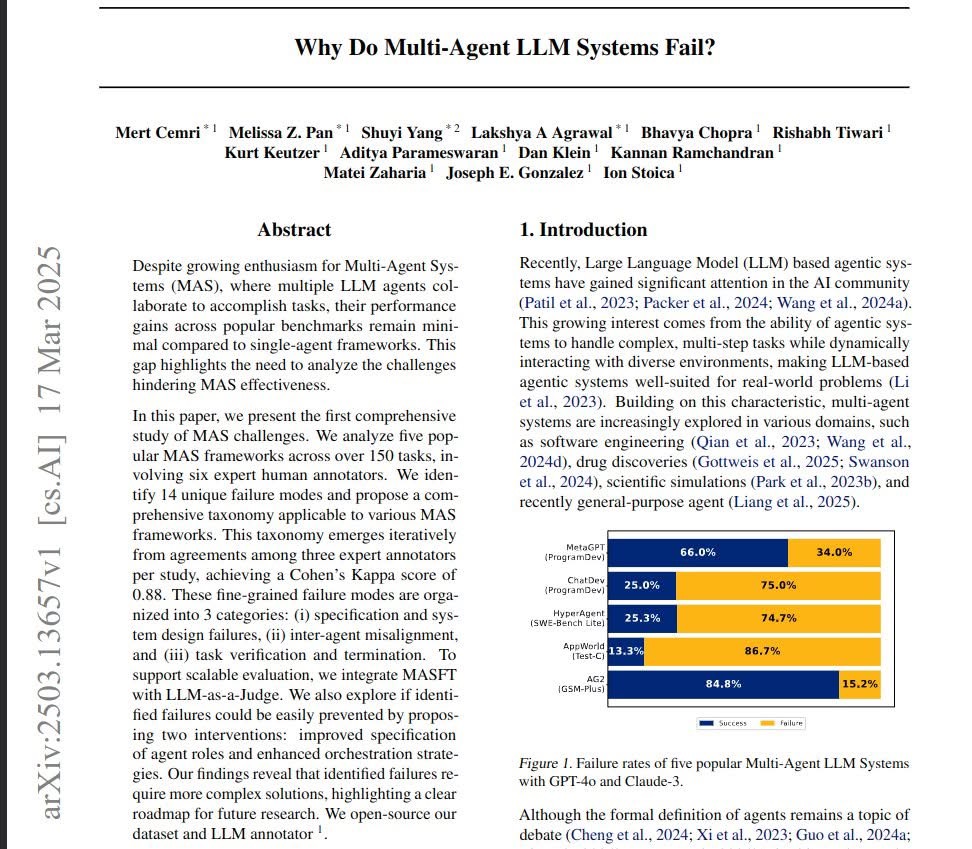
Why Do Multi-Agent AI Systems Keep Failing? A Look Into the Latest Research
Multi-Agent AI Systems promise intelligent collaboration between agents, but why do they so often underperform? A new UC Berkeley study digs deep into the causes of these failures—highlighting critical design flaws, coordination issues, and verification challenges—and offers a roadmap for building better, smarter systems.
Written by